
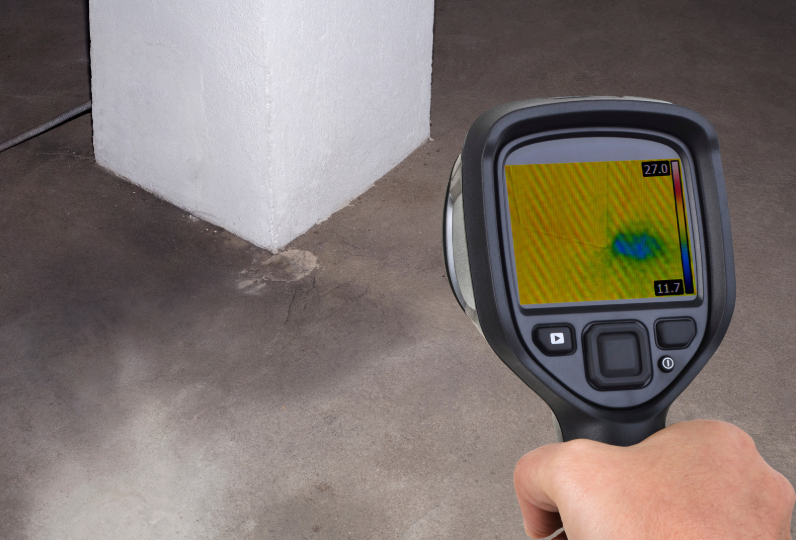
Your home’s plumbing runs beneath a concrete slab, and that changes everything about how leaks behave. In Phoenix, where slab-on-grade construction is the norm and the desert heat puts constant stress on pipes, older detection methods often miss the mark. Penguin Air, Plumbing & Electrical, serving the Phoenix Valley since 2011, has seen firsthand how outdated techniques waste time and money while the real problem keeps getting worse underground.
Why Do Traditional Leak Detection Methods Fail in Phoenix Slab Homes?
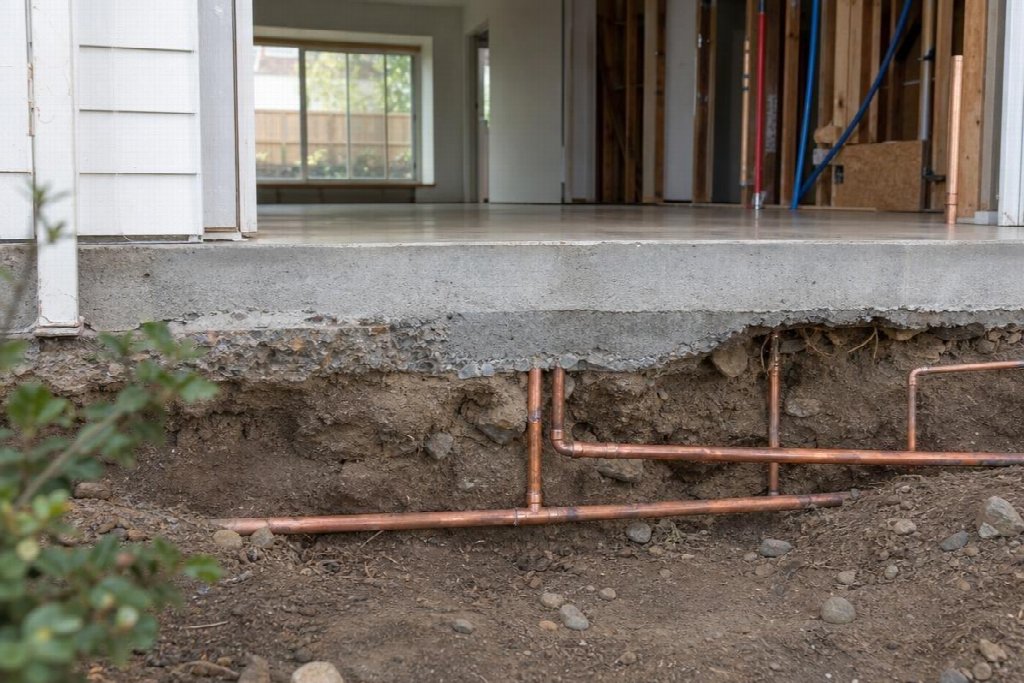
In the Peoria and Surprise areas, nearly every home sits on a concrete slab. Slab-on-grade construction dominates the Valley because it suits the desert climate and soil, but it buries all supply and drain lines directly beneath several inches of dense concrete. There is no crawl space, no basement, and no way to simply look under the floor.
Post-tension slabs add another layer of difficulty. Steel cables run through the concrete to prevent cracking under the Valley’s extreme heat cycles. Cutting into the wrong spot can sever a tension cable and compromise the entire foundation’s structural integrity, which is why guessing where to cut is never acceptable.
Why Standard Leak Detection Tools Miss Slab Leaks
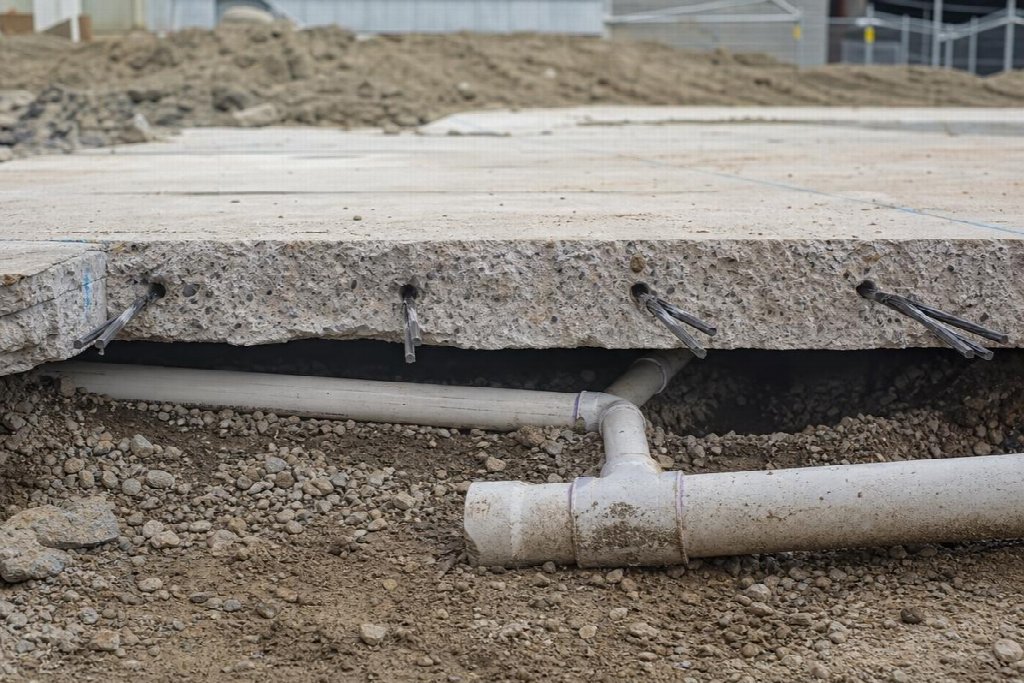
Standard pressure testing confirms a leak exists but cannot pinpoint its location, leading to costly trial-and-error cuts across a homeowner’s floor. Acoustic listening devices designed for above-slab plumbing are poorly calibrated for the dense caliche soil found across the Valley; insulation, vapor barrier, and several inches of concrete muffle and distort escaping-water sounds before they reach the surface.
Electronic amplification equipment paired with line tracing and video pipe inspection generally produces more reliable results than relying on any single method. Thermal cameras face their own limit: Phoenix’s extreme ambient heat shrinks the temperature differential needed to produce a reliable image, making solo thermal imaging an unreliable choice on its own.
What Makes Phoenix Slab Construction Different?
Most slabs poured across Greater Phoenix since the 1980s are post-tension slabs with steel tendons running through the concrete under enormous pressure. Those tendons are invisible from the surface. If a plumber cuts or jackhammers into the slab without a tendon map, a cable can snap, causing irreversible structural damage. Locating the leak precisely first is the only safe approach.
Homes built across Mesa and Gilbert from the 1960s through the 1990s were plumbed with copper supply lines now 30 to 60 years old. Phoenix’s notoriously hard water, drawn largely from Colorado River and Salt River Project sources, carries high levels of calcium and magnesium that scale copper pipe and accelerate corrosion, creating pinhole leaks anywhere along the run. A pressure drop test confirms something is leaking but will not identify where, exactly where older detection approaches fall short.
Caliche, the hardened calcium-carbonate layer common in desert soil across the Phoenix Metro, scatters and absorbs sound differently than the softer soils acoustic detectors are calibrated for, producing false positives or missed signals. Ground surface temperatures above 150 degrees Fahrenheit in July and August skew thermal imaging baselines further.
5 Warning Signs a Phoenix Home May Have a Slab Leak
- A sudden spike in the water bill is one of the clearest early red flags: a 20 to 30 percent jump with no change in irrigation or household usage warrants attention. Shutting off every fixture and watching the meter for 15 minutes is a useful first check; if it still moves, the problem is likely underground.
- The sound of running water when everything is off is another common indicator. In single-story slab homes common across Mesa and Scottsdale, this sound travels up through the concrete and is easiest to hear at night when ambient noise drops.
- Warm or hot spots on a tile floor point to a hot water supply line leaking beneath the slab.
- Unexplained cracks in drywall or flooring are also worth noting, since the Valley’s caliche soil absorbs leak water, swells, and pushes upward against the slab, transferring movement directly into walls and floors.
- Sudden low water pressure with no municipal supply change rounds out the list. A pinhole leak bleeds pressure from the system constantly, and if neighboring homes have normal pressure while one home’s has dropped, the leak is almost certainly on that side of the meter. Leak detection from Penguin Air, Plumbing & Electrical combines acoustic, thermal, and video tools to pinpoint the source before any cutting begins.
Frequently Asked Questions
How much does professional slab leak detection typically cost?
Professional detection cost varies depending on home size and which combination of acoustic, thermal, or video tools the job requires. Detection cost is separate from repair cost, which varies based on how much concrete must be cut and which repair method is used.
Does homeowners insurance cover slab leak damage?
Coverage varies significantly by policy, but most insurers cover sudden, accidental slab leaks while excluding damage caused by long-term neglect or lack of maintenance. Reviewing the specific policy terms is the only reliable way to confirm what a particular plan covers.
Why is cutting into a post-tension slab without locating the leak first considered dangerous?
Post-tension slabs contain steel tendons under significant tension that are invisible from the surface, and cutting or jackhammering into one without a tendon map risks severing a cable. A severed tendon can cause irreversible structural damage to the foundation, which is why precise leak location always comes before any cutting.
How long does slab leak repair typically take once the leak is located?
Minor repairs like epoxy pipe lining can cure in about 24 hours, spot repairs involving a small cut and patch often take a few hours, while a full repipe or reroute around the slab can span several days. The repair method chosen depends on the leak’s location, the pipe’s condition, and how much of the existing line is affected.
About Penguin Air, Plumbing & Electrical
Penguin Air, Plumbing & Electrical is a Phoenix Metro Area home services company founded in 2011, offering HVAC, plumbing, and electrical service to residential and commercial customers across the Greater Phoenix region. Technicians have mapped countless post-tension slabs, traced corroded copper lines, and pinpointed leaks under caliche soil using electronic amplification, line tracing, and video pipe inspection. The company holds a BBB A+ Rating and has maintained BBB Accreditation since its founding. The office is located at 3710 E University Dr # 1, Phoenix, AZ 85034.
Business Name: Penguin Air, Plumbing & Electrical
Address: 3710 E University Dr # 1, Phoenix, AZ 85034
Phone Number: (480) 525-5400